

🧠 Introduction: Understanding Dementia and the Need for Home Care
When a loved one begins to forget daily events, mix up familiar faces, or struggle with basic tasks, it can be distressing. These changes often indicate dementia — a serious condition affecting memory, thinking, and the ability to function independently. Dementia isn’t just “normal aging” forgetfulness. It is a progressive neurological condition that disrupts life. Early understanding allows families to seek the right dementia home care and support systems before challenges escalate.
In this comprehensive guide, you’ll learn:
-
How to recognize early dementia symptoms
-
The stages of dementia and what to expect
-
Practical approaches for dementia care at home
-
When professional care becomes essential
-
Answers to frequently asked questions
-
Tips for caregivers to balance dignity and safety
This article has been crafted to help families navigate the complex reality of dementia with empathy, clarity, and practical insight.
🧠 What Is Dementia? Beyond Ordinary Forgetfulness
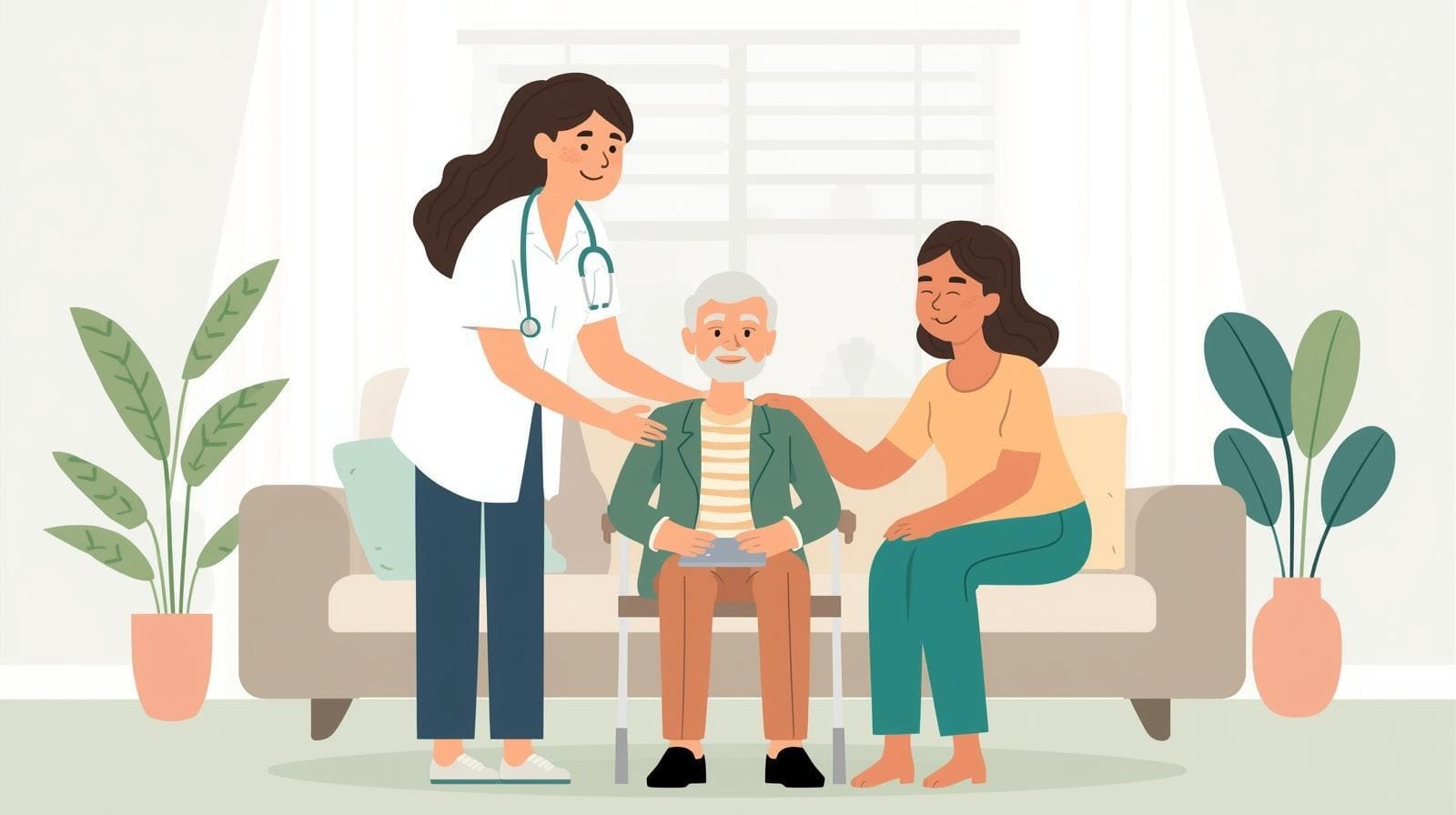
Dementia is an umbrella term for a group of symptoms caused by progressive brain disease. These symptoms affect memory, reasoning, language, and the ability to carry out everyday tasks. The most common form of dementia is Alzheimer’s disease — though other types like vascular dementia, Lewy Body dementia, and frontotemporal dementia also occur.
Unlike occasional forgetfulness — such as misplacing keys or forgetting a name — dementia’s memory problems are severe enough to interfere with daily life, routines, and relationships.
🔎 Early Signs of Dementia: What to Look For
Spotting early indicators of dementia can help families seek help sooner rather than later. While everyone experiences lapses in memory occasionally, dementia shows a pattern.
❗ Memory Loss That Interrupts Daily Life
This goes beyond forgetting a name — it’s forgetting important information like recent conversations, recurring errands, or how to return home.
💬 Trouble Communicating Clearly
People with dementia may pause often while speaking, struggle to find words, or substitute incorrect words.
😔 Changes in Mood and Personality
Expect to see changes such as increased anxiety, suspicion, or withdrawal from social activities.
🧭 Disorientation in Familiar Surroundings
A person may get lost on their street, forget how they arrived somewhere, or not understand a familiar routine.
📉 Decreased Ability to Plan or Solve Problems
Tasks like paying bills or following instructions for a recipe become challenging.
Recognizing these early signs can make a significant difference in planning and care. Because dementia is typically progressive, the earlier families seek guidance and professional support, the better they can prepare for future needs.
📊 The Stages of Dementia: What to Expect

Dementia typically progresses through three broad stages: mild, moderate, and severe. Understanding these stages helps caregivers anticipate evolving care needs and safety challenges.
Stage 1 – Mild Dementia
-
The person still manages many tasks independently.
-
They may need reminders for daily activities like medication or appointments.
-
Supervision is light, and safety is usually not at immediate risk.
Stage 2 – Moderate Dementia
-
Symptoms become more obvious.
-
The person may need help with personal care (bathing, dressing).
-
Memory gaps may put them at risk (e.g., forgetting to turn off the stove).
-
Increased supervision and structured routines become essential.
Stage 3 – Severe Dementia
-
The person is largely dependent on caregivers.
-
Communication becomes very limited.
-
24-hour dementia supervision at home may be necessary to ensure safety.
-
Professional care support is often needed to manage complex tasks.
Every individual’s progression is unique, but recognizing these broad stages helps families adapt the approach to home care and supervision.
🛡️ Creating a Safe Home Environment for Dementia Care
Caring for someone with dementia at home requires intentional planning and safety measures.
🧹 Remove Hazards
Clear walkways, secure rugs, and remove obstacles that could cause falls.
🚿 Install Safety Fixtures
Grab bars in the bathroom, non-slip mats, and easy-to-see signage help maintain independence while reducing risk.
🔐 Secure Dangerous Items
Lock up items that could pose a danger — sharp tools, medications, or cleaning chemicals.
🕰️ Establish Predictable Routines
Structure and familiarity reduce anxiety, confusion, and behavioral challenges.
These changes not only increase safety but also provide a sense of familiar comfort, which is vital for emotional wellbeing.
🗣️ How to Communicate Effectively
Effective communication with a person living with dementia focuses on empathy, simplicity, and patience.
-
Speak slowly and clearly
-
Use short, simple sentences
-
Maintain eye contact
-
Avoid arguing or correcting — instead reassure
Remember, the goal is not to test memory — it’s to connect, understand feelings, and maintain dignity.
🧠 When to Consider Professional Dementia Home Care
Professional care isn’t a replacement for family love — it’s support for the whole household.
🩺 Signs You May Need Help
-
Increased wandering or night activity
-
Forgetting essential safety steps (e.g., cooking)
-
Caregiver exhaustion or burnout
-
Declining personal care abilities
-
Frequent mood swings or agitation
At some point, families may need trained caregivers to provide structured support, day or night. This is especially true when safety or emotional wellbeing becomes difficult to manage without assistance.
Professional care teams often provide:
-
Skilled nursing care
-
Personal care assistance
-
24-hour supervision
-
Emotional support for both the person with dementia and their family
These services allow loved ones to remain safe in familiar surroundings while giving family caregivers relief and peace of mind.
🔗 External Resources and Further Reading
For more context and external guidance on dementia care, here are helpful resources:
🔹 Alzheimer’s and Dementia Care Tips – Practical caregiving advice from a trusted care provider.
🔹 24-Hour Dementia & Alzheimer’s Home Support Services – Insights into how professional care teams help keep loved ones safe at home.
These resources offer trusted, third-party perspectives that complement your at-home care efforts.
❓ Frequently Asked Questions (FAQ)

🧠 What’s the difference between Alzheimer’s and dementia?
➡ Dementia is the umbrella term for memory and cognitive decline. Alzheimer’s is the most common disease type that causes this decline.
🕰️ Can the progression of dementia be slowed?
➡ While there’s no cure, some treatments, lifestyle changes, and early support can slow progression and improve quality of life.
🗣️ How do I communicate better with someone with dementia?
➡ Use slow, simple language, be patient, and focus on understanding emotions rather than correcting facts.
👀 When is 24-hour care at home necessary?
➡ When safety risks increase (like wandering, leaving appliances on), or caregiving demands exceed family capacity.
💶 What financial support exists for dementia care?
➡ In some regions, families may be eligible for caregiver allowances or support programs through local health or government offices.
🧡 Conclusion: Living with Dignity and Support
💛 Caring for a loved one with dementia is a journey of love, patience, and deep commitment. It can also be emotionally and physically demanding. With the right knowledge, support systems, and professional care services, you can provide safe, dignified dementia care at home while preserving quality of life.
👉 The key steps are:
-
Recognize early symptoms
-
Understand the stages of dementia
-
Create a safe, supportive home environment
-
Communicate with patience and respect
-
Know when to seek professional help
For comfort at home in other areas of daily living — like reducing stress and maintaining comfort in shared spaces — you may also enjoy this practical article from AlexWaterandBouw:
🔗 🍎 Apples and Body Health: Benefits, Effects, and Tips for Daily Apple Consumption , article explains how eating apples regularly can support overall body health by providing nutrients, fiber, and antioxidants that benefit digestion, heart health, blood sugar control, cholesterol levels, and more.
🧾 Additional Resources
For further reading on maintaining a supportive, structured, and safe home life for seniors and those needing daily care, check out the Alexwaterandbouw Blog here.
This blog includes articles that expand on home safety, comfort, and environment management — all important for a peaceful home life alongside dementia care